What I Check Before I Even Open a Chart
Most of the damage I see in reviews didn’t start with the trade. It started before the platform was even open: tired, distracted, already annoyed about something else, and trading anyway because the market was there. None of the rules on this site matter if you’re not in a state to actually follow them. So before I look at a single chart, I run through this.
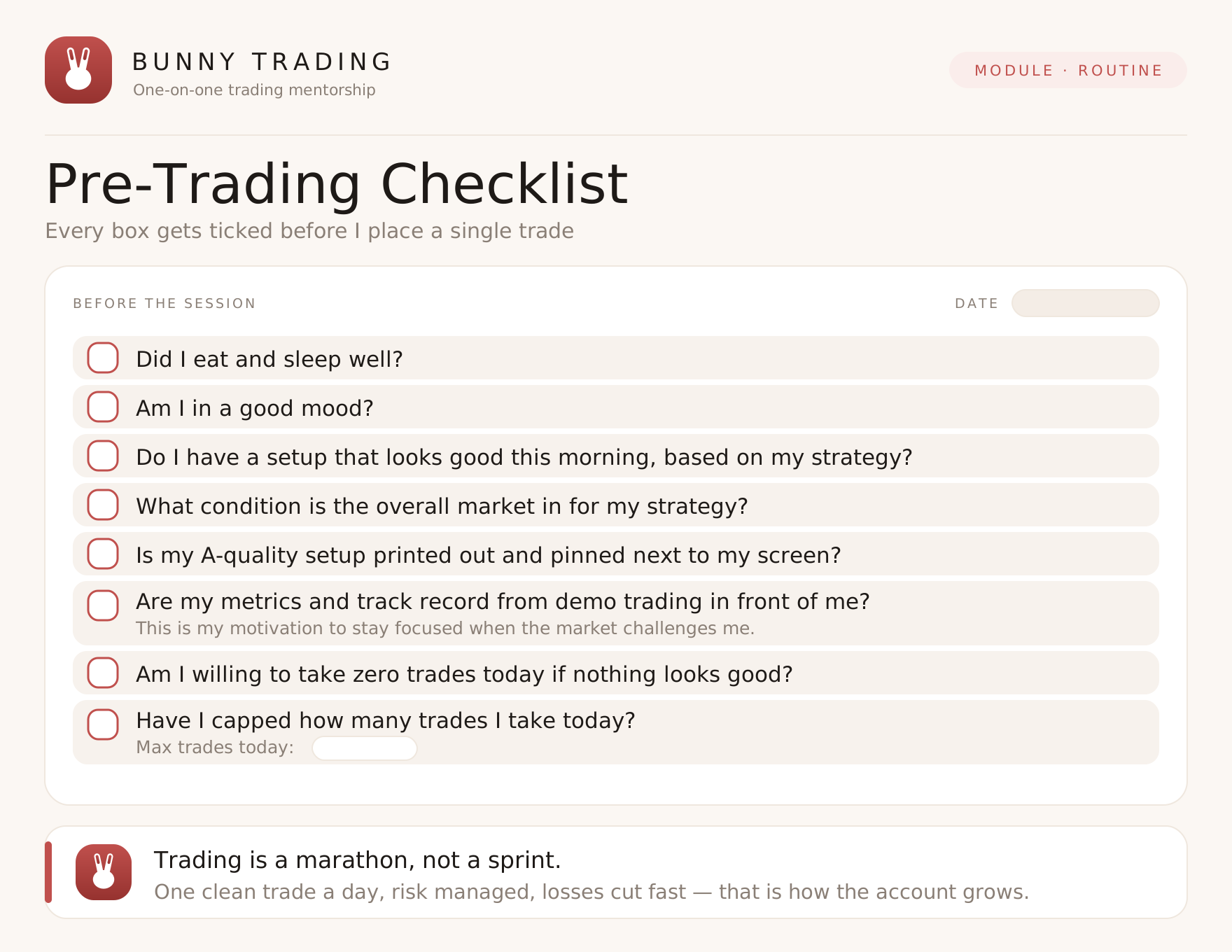
This is psychology, not paperwork
None of these questions are really about sleep or mood in the way they sound. They’re about whether you’re in a state where your judgment can be trusted. A tired brain doesn’t see a setup less clearly, it sees it selectively, filling in the parts of a mediocre chart that make it look like the good one you were hoping to find. You can know every rule on this site perfectly and still make the wrong call, not because the rule was wrong but because the person applying it wasn’t in a state to apply it honestly.
The real test is doing nothing
The two hardest questions on that list aren’t the ones about your setup, they’re “am I willing to take zero trades today” and “have I capped how many I take.” Most traders can follow a rule when there’s a trade to take. Far fewer can sit on their hands through a slow session without that feeling like a failure. That itch to force activity when nothing’s there is the same instinct behind revenge trading, just triggered by boredom instead of a loss.
Deciding your max trades and your walk-away point before the session starts takes that decision away from the version of you that’s three hours in, caffeinated, and annoyed that nothing’s worked yet. That version of you should never be the one setting the limit.